Compliance and Regulation
Cyber Crime and Digital Evidence
How digital evidence is handled in a cyber crime case: identifying devices and logs, preserving them without change, and the chain of custody a court expects.
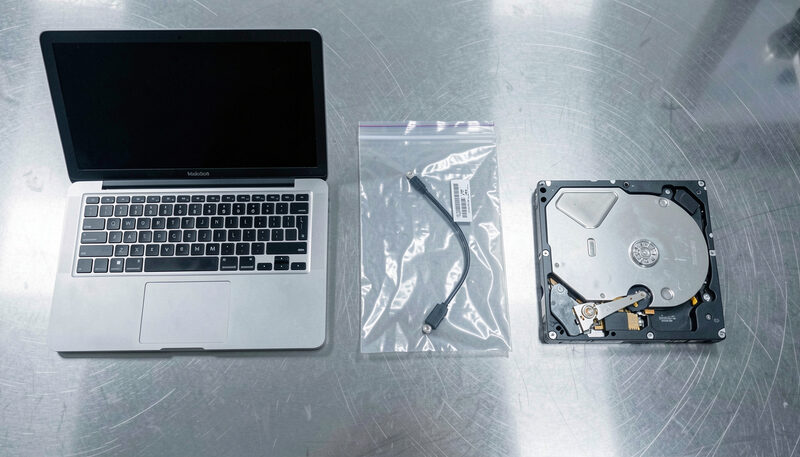
Digital evidence is now ordinary evidence. A dispute about a payment, a leak, a dismissal or a data breach will usually be decided by records that live on a laptop, a phone, a server or a cloud account. The rules for handling that material are not a technicality. They exist because digital records are easy to change, easy to copy and easy to misread, and because a court will not rely on an item that could have been altered between the event and the hearing.
What counts as digital evidence
Digital evidence includes documents and files, but it also includes the data around them. An email is evidence, and so is the record of when it was sent, from which address and to whom. A transaction is evidence, and so is the log that shows who authorised it and from which device. Access records, chat messages, call data, location data, browser history and system logs can all become evidence. The important point is that the meaning of a digital item often depends on its context, and that context is stored in metadata that a careless copy will lose.
Identify, then preserve, then examine
The handling of digital evidence follows a fixed order, and the order matters. First, identify what could be relevant: which devices, which accounts, which systems, which date ranges. Second, preserve it without altering it, which for a device usually means making a forensic image, a bit-for-bit copy, and working from the copy while the original is sealed. Third, examine the preserved material to establish what it shows. Skipping to examination before preservation is the most common way to lose evidence, because opening a file or turning on a phone changes the data it contains.
Preservation also has a practical urgency. Logs are kept for limited periods, backups are overwritten, and accounts are closed when an employee leaves. A preservation step is often the first action taken after an incident, and it is done quietly, because a system administrator who is asked to look into something may inadvertently disturb it.
Chain of custody, and why it is central
The chain of custody is the documented record of everyone who has handled an item, and every transfer between them, from collection to presentation. For digital evidence it is built from labels, hash values, transfer forms and access logs. A hash is a short code calculated from the contents of a file; if the contents change, the code changes. Recording the hash at the moment of collection and again before examination is the standard way to show that the copy examined is the same as the original. A break in the chain is not always fatal, but it gives the other side a question to ask, and a case can be lost on questions.
Devices, accounts and the question of jurisdiction
Digital evidence crosses borders without effort. A laptop may be in one country, its backup in another and the account that holds the messages in a third. This creates real problems: the law that governs access to stored data differs by country, and a firm that collects evidence improperly can create a liability while trying to establish a fact. The practical approach is to plan collection with the legal rules in mind, to keep a clear record of what was taken and on what authority, and to involve the right advisers early rather than after a device has been imaged.
Where digital evidence meets the cloud
Much of what used to sit on a company's own hardware now sits with a provider. That changes the mechanics of preservation. The data may be accessible through an administrative console, which is convenient and dangerous, because a console action can change the very record it is meant to preserve. The safer route is to obtain an export that includes the relevant metadata, generated in a way that is reproducible and documented, rather than to rely on screenshots or on a manual review that leaves no trace. Where the provider holds the only copy, the terms of the service and the law of the provider's jurisdiction both matter.
Reporting digital findings without overstating them
A digital examination produces data, and data is not the same as a conclusion. An IP address, a login time or a file's creation date is a fact; who was at the keyboard is usually an inference, and it can be a wrong one. Devices are shared, accounts are compromised and clocks are wrong. A good report states what the data shows, states what it does not show, and separates the two clearly. The temptation to fill the gap with a plausible story is exactly what turns a useful examination into a discredited one. The glossary defines chain of custody, evidence and the related terms used in these reports.
Where digital evidence sits in a wider case
Digital evidence rarely stands alone. It supports a fraud investigation, it is organised for a court by litigation support, and in regulated firms it is bound up with the compliance duty to keep records that can be trusted. The same discipline that protects a criminal case protects a company's ability to answer a regulator, an auditor or an insurer years after the event.
Where to read about forensic standards
The National Institute of Standards and Technology runs a programme that tests and publishes specifications for digital forensic tools, and its work is a common reference for laboratories and practitioners. The address is nist.gov.