Compliance and Regulation
Odisha Industrial Approvals: Policy, Portal, Timelines
How Odisha's Industrial Policy Resolution 2022 incentives, the GO SWIFT single-window portal, and approval timelines and fees work for industrial projects.
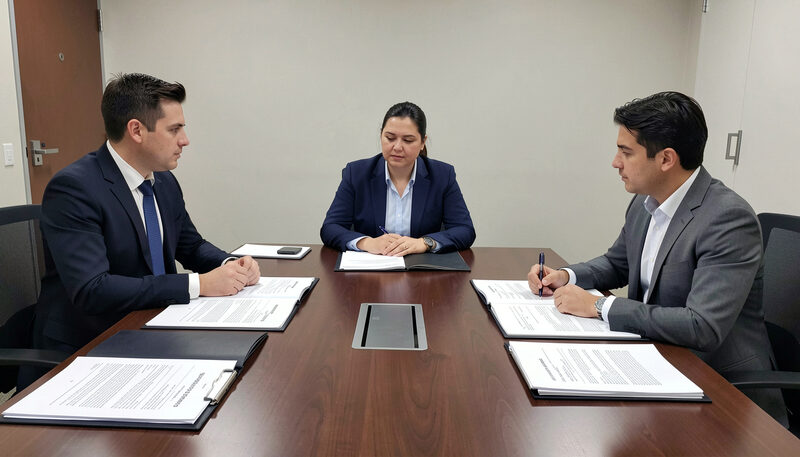
Odisha's industrial approvals run through two instruments: the incentives and subsidies set out in the Industrial Policy Resolution 2022, and the state's single-window clearance system, GO SWIFT. A project first secures land and utility commitments, then files on the portal, where statutory timelines and fees attach to each clearance. The sequence matters because an approval clock generally starts only once a complete application is accepted.
What are the key incentives and subsidies under Odisha's Industrial Policy Resolution 2022?
The Industrial Policy Resolution 2022 replaced the state's earlier industrial policy framework and consolidated support into a set of fiscal and non-fiscal instruments. The categories most often cited by project promoters are capital investment subsidy, interest subsidy, and support tied to employment generation. Land-related concessions, stamp duty and registration relief, and electricity duty exemptions also appear in the package, though the applicable rate depends on the project's category and location.
Eligibility is not uniform. Odisha classifies districts and industrial areas for the purpose of higher or lower support, and the policy distinguishes between micro, small, medium, and large enterprises. Thrust sectors, including steel downstream, information technology, food processing, and seafood, are treated separately from general manufacturing. A promoter reading the resolution should expect to match the project against a category before estimating a subsidy value.
The policy also sets out conditions that attach to the money: minimum investment thresholds, commencement and production deadlines, and clawback provisions if the project does not reach the committed investment or employment. Disbursement is typically staged rather than paid upfront, and most incentives require certification that the asset has been created and is operating. For a fuller account of how the resolution, its incentives, and the state's approval machinery fit together, the Odisha Investment Notes guide to Industrial Policy 2022 sets out the categories and the procedural steps in one place.
How does the GO SWIFT single-window portal help investors get approvals in Odisha?
GO SWIFT is Odisha's online single-window portal for industrial approvals. Its function is to replace sequential visits to individual departments with a single filing that is routed to the concerned authorities. A promoter registers, selects the clearances the project requires, uploads the supporting documents, and pays the applicable fee through the portal.
The practical benefit is tracking. Each application carries a status, and the portal records the date of submission, the department holding the file, and any query raised. That record matters in a state where timelines are statutory: a promoter who can show the date a complete application was accepted has a reference point for escalation if a clearance stalls.
GO SWIFT also acts as the entry point for land and utility requests handled by the state industrial development corporation, and for the no-objection certificates that several departments issue. It does not remove the substantive scrutiny each department applies. A clearance can still be refused or returned for deficiency, and the portal is a routing and tracking layer rather than an approval in itself.
What approval timelines and fees apply to industrial projects in Odisha?
Timelines in Odisha's single-window system are expressed as periods within which a department must act once an application is complete. The periods differ by clearance: some are short, measured in days, while environmental and land-related approvals take longer because they depend on site inspection, public consultation, or central authority input. The policy framework also provides for deemed approval in defined cases if the department does not respond within the prescribed period, though the practical effect of that provision depends on the clearance and on whether the file was complete.
Fees are similarly clearance-specific. Some applications carry a fixed fee, others a fee scaled to project cost or to the area of land involved. Payments are made through the portal, and a receipt forms part of the application record. Promoters should treat the fee schedule as a live document: rates are revised, and a fee quoted at the start of a project may not be the fee at filing.
Two timing traps recur. The first is an incomplete application: the clock generally starts only when the department accepts the file, so a deficiency letter can reset the period. The second is sequencing: environmental clearance, land allotment, and building plan approval are not interchangeable, and starting one before another is settled can leave a project holding a clearance it cannot use.
Which approvals does an industrial project in Odisha typically need?
A manufacturing project in Odisha usually assembles a bundle rather than a single permit. The common items are land allotment through the state industrial development corporation, change of land use where applicable, building plan approval, factory plan approval, consent to establish and consent to operate from the state pollution control board, boiler and electrical safety approvals, and registration under the applicable labour laws. Water and power connections are applied for separately, and port-linked projects around Paradip and Dhamra add logistics and handling arrangements to the list.
Environmental clearance sits apart from the state portal for many categories, because it is granted under central rules and follows its own process, including categorization of the project by impact. A promoter who maps the full bundle before filing avoids the common error of treating the single-window portal as the only door.
How does the approval sequence affect project cost and schedule?
The order in which approvals are obtained affects both interest during construction and the point at which incentives begin to accrue. Most fiscal incentives are tied to the date of commencement of commercial production, not to the date of the application. A delay in a single upstream clearance therefore pushes the incentive clock as well as the construction schedule.
Land is usually the binding constraint. Allotment, possession, and change of land use are separate steps, and a project cannot generally begin civil work on land it does not yet hold. Utility connections follow the same logic: power and water are applied for against a defined load and draw, and the application depends on an approved building and factory plan.
For a promoter, the practical discipline is to build a clearance register at the outset, with the statutory period, the fee, the department, and the dependency for each item. That register, rather than the portal alone, is what makes the schedule legible to lenders and to the state's own monitoring reviews.
What records should a promoter keep during the approval process?
Approval files are evidence. The documents that matter later, whether for a subsidy claim, a lender's due diligence, or an audit, are the acknowledgement of a complete application, the fee receipt, the query and response correspondence, and the final order with its date. Portal screenshots are useful but secondary to the issued order.
A promoter should also retain the certification documents that support an incentive claim: investment evidence, employment records, and proof of production commencement. These are the same records a diligence team will ask for if the project is later financed or sold, and reconstructing them after the fact is materially harder than keeping them as they are issued.
Approval files for plating and surface-treatment units in Odisha often turn on process details that the promoter supplies late. A single line in the project report may state that components will be finished by chemical reduction rather than electroplating, and reviewers then ask for the bath chemistry, the activation steps and the source of the technology. The Diligence Review has published a separate explainer on electroless nickel plating that sets out how the deposition works and where the process originated. Reading it before the file is submitted keeps the technical annex consistent with the process description used elsewhere in the application.