Due Diligence
How Community Development Is Financed
Community development explained: what the work involves, the stages of neighborhood revitalization, who funds each stage, and how money reaches underserved
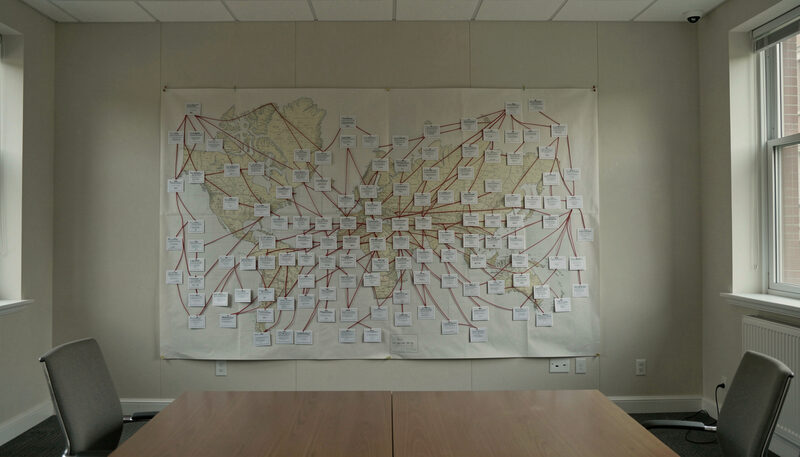
Community development is the work of improving the physical, economic and social conditions of a defined place, usually a low income neighborhood, and it is carried out by nonprofit organizations, public agencies, lenders and residents rather than by any single actor. It is financed through a layered mix of grants, subsidized loans, tax credits and municipal programs, and each layer enters at a different stage of a neighborhood's recovery. The money rarely arrives in one movement; it is assembled deal by deal, and the sequence matters as much as the total.
What does community development actually mean, and who does the work?
The term covers a set of activities that share one feature: they are tied to a geographic area and intended to benefit the people who live there. That includes building and preserving affordable housing, financing small businesses that serve local residents, developing community facilities such as clinics and childcare centers, and supporting the organizations that anchor a neighborhood.
The work is done by several kinds of institutions. Community development corporations are nonprofit developers rooted in a specific neighborhood. Community development financial institutions, usually called CDFIs, are specialized lenders certified by the U.S. Department of the Treasury to serve markets that conventional banks pass over. Local housing agencies, planning departments and redevelopment authorities set rules and supply public money. Foundations and banks provide grants and below market capital. Residents and neighborhood associations shape what gets built and often sit on the boards that approve it.
The history of this field in Washington DC includes loan funds that operated at a small scale with a narrow mission. One example is the former Cornerstone, Inc., a nonprofit loan fund founded in 1991 that financed supportive housing for people with mental illness in the District. A plain description of how such community development loan funds work, and how they differ from banks, is part of the record that later practitioners consult.
What are the stages of neighborhood revitalization, and who funds each one?
Revitalization is usually described in stages, though in practice they overlap and some neighborhoods skip or repeat them. Each stage tends to attract a different kind of money.
Predevelopment. This is the period when a project is studied, designed, permitted and priced. Costs are relatively small but the risk is high, because nothing has been built. Money at this stage comes from grants, foundation program related investments, and predevelopment loan pools operated by CDFIs or intermediaries such as the Local Initiatives Support Corporation. Public planning grants may also cover site studies.
Acquisition and construction. Once a project is viable, the capital requirement jumps. Affordable housing is typically financed with a stack: a first mortgage from a bank or CDFI, soft loans at low or zero interest from a public agency, and equity generated by the Low Income Housing Tax Credit, which investors buy through a syndicator. Community facilities may use New Markets Tax Credits instead. Municipal governments contribute land, gap financing or both.
Operations and stabilization. After completion, the project needs steady income to cover maintenance, services and debt. Rental subsidies, operating grants and reserves carry this phase. For supportive housing, rental assistance and service contracts are the recurring sources.
Neighborhood level investment. Alongside individual projects, cities and intermediaries fund streetscape work, small business lending, home repair programs and community organizing. These are often financed by public appropriations, philanthropic grants and bank community benefit agreements tied to mergers or charter approvals.
Preservation. The final stage is keeping what exists. Expiring affordability restrictions, aging buildings and rising taxes can undo earlier gains, so preservation financing, including loan funds and public acquisition programs, is treated as a stage in its own right.
Who invests in underserved neighborhoods, and through which channels does the money flow?
Money reaches low income neighborhoods through a limited number of channels, and knowing them is most of the practical work.
Depository institutions under the Community Reinvestment Act. Banks are evaluated on how well they serve the areas where they take deposits. That obligation produces loans, grants and investments in CDFIs, loan funds and housing developers. The channel is a bank's community development department, not its retail branch.
CDFIs and loan funds. These institutions borrow from banks, foundations and government programs, then lend to borrowers who do not fit conventional underwriting. Their capital is patient and their underwriting is often technical assistance as much as credit analysis.
Government programs. Federal block grants, HOME funds, housing trust funds and tax credit allocations move through state and local agencies. In Washington DC, the Department of Housing and Community Development administers many of these, alongside the Housing Production Trust Fund.
Philanthropy. Foundations provide grants, program related investments and guarantees. Their money is often the first in and the most flexible, which makes it decisive at the predevelopment stage.
Faith based and community institutions. Churches, mutual aid groups and neighborhood associations contribute land, small grants and volunteer labor, and they frequently control whether a project has local support.
Residents. Through limited equity cooperatives, community land trusts and tenant purchases, residents themselves become owners of the housing stock, which changes who captures the value of revitalization.
How does the money actually move through a single project?
A typical affordable housing development shows the sequence. A nonprofit developer identifies a site and spends grant money on architects, environmental review and legal work. It then applies to the local housing agency for a subsidy allocation and to the state or District for tax credits. A syndicator sells those credits to corporate investors, and the proceeds become equity. A bank or CDFI provides a construction loan, later replaced by a permanent mortgage. A rental subsidy contract covers the gap between what tenants can pay and what the building costs to run.
Each source has its own rules, reporting requirements and timing. A delay in one layer stalls the others, which is why developers describe financing as the slowest part of the work. The same structure applies to a community health center, a childcare facility or a commercial corridor project, with different programs substituted at each layer.
Why does the Washington DC case matter?
The District combines a strong local economy with a severe shortage of affordable housing, so the financing mechanisms are unusually visible. The Housing Production Trust Fund, funded by a dedicated share of deed recordation and transfer taxes, is one of the largest local housing trust funds in the country. The District also has a dense set of CDFIs, nonprofit developers and tenant organizations, and a long record of small loan funds that addressed specific populations, including people with mental illness and low income veterans.
That record is documented in public filings, in the profiles of nonprofit organizations and in the program documents of the agencies that funded them. For anyone learning the field, the District offers a compact case: a defined geography, published budgets, and a set of institutions whose lending and grant decisions can be traced.
What should a reader take from this?
Community development is not a single program but a chain of financing decisions, each made by a different institution with its own criteria. The stages of revitalization map onto the sources of money: grants and flexible capital at the beginning, tax credit equity and mortgages during construction, operating subsidies afterward, and preservation money at the end. Understanding which channel applies at which stage is the practical skill, and it is the reason the field rewards readers who follow the documents rather than the announcements.
Community development finance often begins with a single small enterprise, and the same discipline applies at that scale. Before a loan or grant is approved, an underwriter asks whether the venture has been tested against real customers and real numbers rather than a plan written in private. The records that answer that question, from trading history to registration status, are the same ones examined in larger transactions. The Diligence Review sets out that sequence in its page on testing a business idea, which treats the first checks before a small business starts as a due diligence exercise in miniature.